Commercial Waste in Yiewsley

Commercial waste in Yiewsley needs a practical, organised service that helps businesses move unwanted materials out of the way without disrupting day-to-day work. Our commercial waste removal service covers routine collections and one-off clearances for premises that need a tidy, straightforward way to deal with mixed business rubbish. From office items and packaging to light fixtures, shop fittings and general non-hazardous waste, we focus on removing what a business no longer needs and presenting it for the right onward handling.
We work with a clear, commercial-first approach so the service is easy to understand from the start. The main aim is to remove waste safely, keep loading sensible, and leave the premises ready for normal use. If you are comparing options, you can also review our pricing and quotes information for a clearer view of the factors that shape a quotation. For larger or recurring jobs, it helps to know what is being cleared, how access works, and whether the items are general rubbish, bulky goods or more specialist material.
To help prepare an enquiry, it is useful to give a simple outline of the waste type, the amount involved and the location on site where it is stored. Photographs are often useful, especially where items are spread across several rooms or loading points, and they can make it easier to judge labour and vehicle requirements. If you are ready to begin, start with a short description of the job and ask for a quotation in the way that suits you best.
Office waste and workplace clearances
Office waste collection in Yiewsley often involves a mix of paper, packaging, storage items, shelving, desks and obsolete equipment. The work needs to be handled with care so circulation space, reception areas and shared access routes stay usable while the clearance is arranged. Our service is suited to offices that are being reorganised, downsized or simply refreshed, and to workplaces that need a reliable way to move surplus items on without filling corridors or meeting rooms.
For items that contain personal data or confidential material, it is sensible to separate shredding and secure disposal needs from ordinary rubbish. We also provide confidential shredding information for businesses that want a more controlled approach to paperwork. If your clearance includes equipment and accessories, grouping them by type before collection can help make the job more efficient, especially where there are cables, peripherals and mixed office supplies.
Typical office items we are asked to remove
Common office clearances may include redundant chairs, filing units, printer stands, broken monitors, cardboard, archive boxes and general workspace waste. The exact mix matters because it affects handling and sorting. Bulkier furniture usually needs more room to move, while smaller loose items are easier to bag or box. Where a workplace is being cleared floor by floor, a simple plan for what stays and what goes can reduce confusion and avoid unnecessary lifting.
Business premises waste and mixed commercial loads

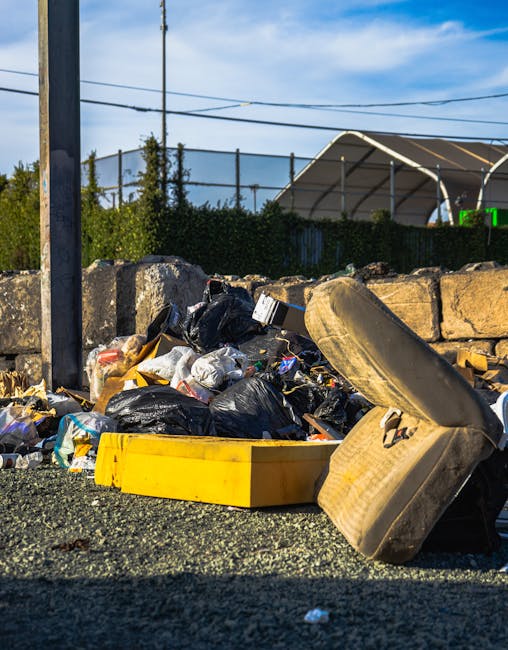
Many commercial waste jobs are not limited to one room or one category of item. Retail units, workshops and storage areas may produce mixed loads that include packaging, display materials, redundant stock containers and worn-out fittings. Our service is designed for those situations where the waste needs to be removed in a single organised visit rather than managed in small fragments over several days. That approach can be particularly useful when a space needs to be handed back tidy or prepared for another use.
Where the waste stream includes heavier or awkward items, it helps to identify them early so they can be separated from general rubbish. Our builders waste clearance page may also be useful if the load includes renovation debris, offcuts or stripped-out materials from fit-out work. Commercial jobs are often more efficient when items are grouped by accessibility, because waste near an entrance or loading bay is generally simpler to move than waste stored deep inside the premises.
For the best results, keep the enquiry focused on the practical details that change the collection method. An accurate description of the waste, the access route and any restrictions on loading can make planning easier. If your premises has a narrow entrance, limited parking or shared access, mention that early so the quotation is based on a realistic view of the work involved.
Furniture, fixtures and bulky item removal
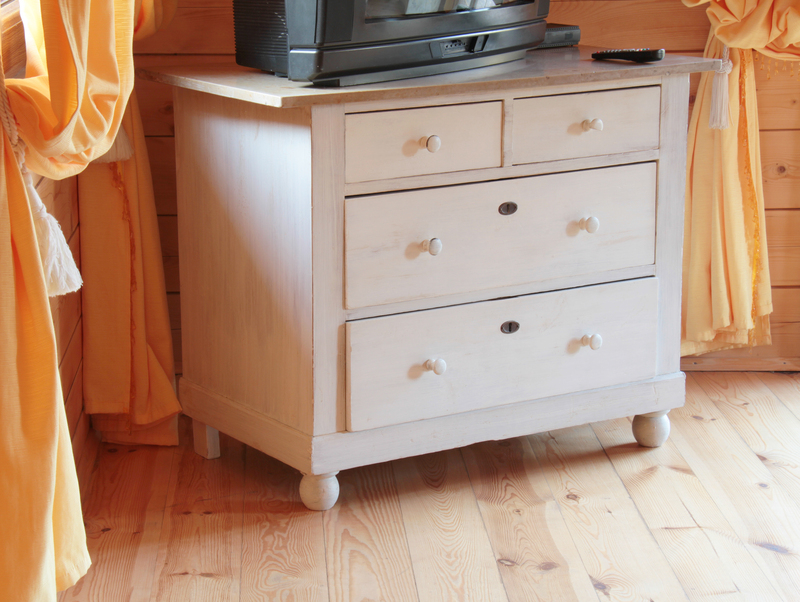
Commercial premises often need bulky item removal as part of a wider waste clearance. Desks, cabinets, shelving, counters and worn seating can take up valuable floor space and may need careful movement through hallways, lifts or stairwells. Our furniture removal and disposal work is intended for items that are no longer needed on site and must be taken away in a practical way, with attention to safe handling and sensible loading.
If your business has a lot of old furniture, it may be worth separating items that are reusable from those that are damaged or ready for disposal. You can read more about this type of work on our furniture clearance page. For upholstered items, there is also dedicated information on mattress and sofa disposal, which can be useful when a premises change involves soft furnishings alongside standard office or shop furniture.
Clearance planning is usually simpler when the heaviest items are identified first. That helps determine whether dismantling is needed, whether the furniture can be moved in one piece and how many people may be required for safe removal. Good access and a clear route often make a noticeable difference to how smoothly the job runs, especially in occupied premises where work has to fit around customers or staff.
Storage areas, back rooms and overfilled spaces
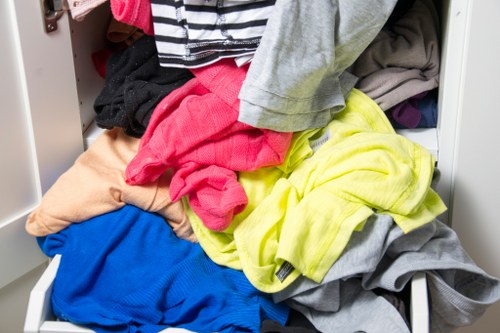
Back rooms, storage cupboards and shared utility areas often become the place where surplus business waste accumulates. These spaces may contain a mixture of packaging, old displays, broken small items, unused stock containers and general clutter that is difficult to move through normal daily operations. Our commercial waste service can be used to clear those areas methodically, helping to restore practical floor space without treating the job as a simple tip run.
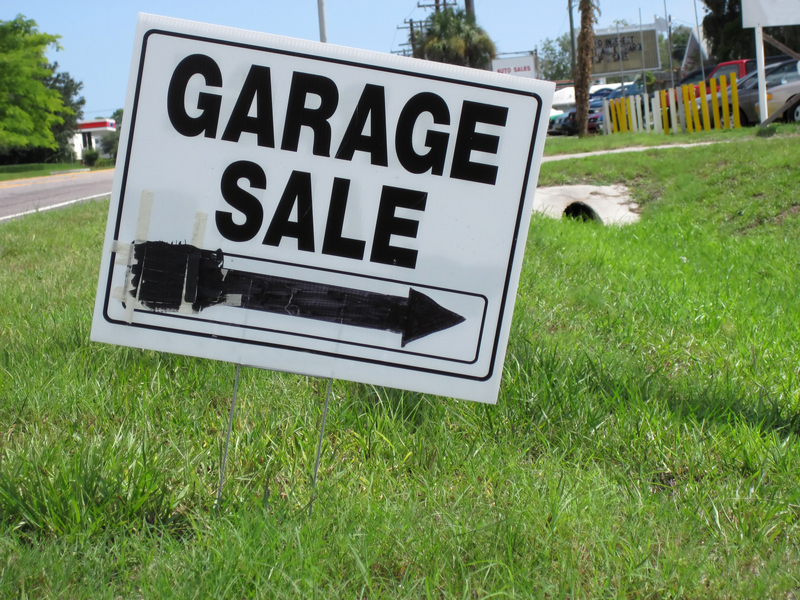
Where a premises has a garage, basement, outbuilding or similar storage space, the contents may need a slightly different approach from standard office rubbish. You can also look at our garage clearance page if the waste sits in a separate storage area and includes a mix of household-like and business-related items. The same careful sorting principle applies: waste that is easier to handle, bag and stack can usually be taken away more efficiently than loose, scattered material.
For these jobs, it is worth deciding in advance whether all contents are going or whether some shelves, containers or equipment must remain in place. A brief written list, a few photographs or a room-by-room note can be enough to avoid misunderstandings. If there are items that should not be touched, marking them clearly before the team arrives can save time and reduce disruption.
Appliances, redundant equipment and specialist items
Some commercial clearances involve equipment rather than ordinary rubbish. Fridges, small appliances and office devices often need separate handling because of their size, weight or construction. Our service can include appliance removal where the items are no longer wanted and need to be taken away in a controlled way. This is particularly relevant for premises replacing break-room equipment, clearing a staff kitchen or removing items after a layout change.
To see the kind of appliance work covered, visit our fridge and appliance removal page. If your load includes mixed bulky items as well as ordinary business waste, the useful question is not simply how much there is, but what types of item need moving and whether any of them require extra care during loading. That information helps shape the quotation and avoids assumptions about weight or access.
It is also sensible to note whether appliances are disconnected, emptied or built into other furniture before collection is arranged. Where a unit is awkward to move, space around it can matter as much as the item itself. In that situation, a clear picture of the surroundings is often more helpful than a general estimate based on the room size alone.
Hazard awareness and what should be separated
Commercial waste does not always mean the same thing from one site to another, and some items need to be separated before collection. Certain materials may be unsuitable for ordinary mixed waste handling, especially where they are classed as hazardous, contaminated or otherwise restricted. Our service is intended for the non-hazardous commercial waste that can be removed through the appropriate route, with specialist material identified separately where necessary.
If a load includes items that may need special treatment, it is better to flag them early rather than assume they can travel with general rubbish. Our hazardous waste disposal page is the right place to look when you are checking whether a particular material needs separate handling. A conservative approach to sorting helps protect staff, avoids confusion and makes it easier to plan the right collection.
Do not mix uncertain materials together if you are unsure how they should be handled. Keep a short note of anything unusual, such as containers, chemical residues or items that appear contaminated, and ask for guidance before collection. That keeps the quotation process more accurate and reduces the chance of discovering a separate requirement at the last minute.
How to request a quotation for commercial waste

A quotation is easiest to prepare when the job is described in practical terms. Start with the type of premises, the main waste categories and the approximate amount involved, then mention any access issues, loading restrictions or time-sensitive needs. If the clearance is part of a move, refurbishment or stock change, say so clearly, because that context can affect the best way to approach the work.
Where possible, group the waste into obvious categories before you enquire, such as paper, furniture, packaging, appliances or mixed rubbish. This does not have to be perfect, but it helps show whether the job is mainly light waste, bulky items or a combination of both. You can also use our book online page if you want to send the details through in a structured way, and our contact us page when you are ready to ask for a quotation directly.
For many businesses, the most helpful information is simply a clear account of what needs to go, where it is stored and how easy it is to reach. If you are comparing options, mention whether the waste is in one room or spread across several areas, as that can affect labour and loading time. Short, accurate details are usually better than a long list of guesses.
About Yiewsley
Yiewsley is a district in the London Borough of Hillingdon, in the western part of Greater London, and it has long been shaped by its position close to transport routes, waterways and the broader settlement pattern around West Drayton and Heathrow. The area sits near the Grand Union Canal, which forms one of the most recognisable physical features of the local landscape, and much of its character comes from the meeting point between older streets, later development and infrastructure serving west London. The parish church of St Martin, with its early nineteenth-century origins, is one of the better-known historic buildings in the district, while nearby canal-side paths give the area a quieter, more linear sense of movement than many central London districts. Like several parts of Hillingdon, Yiewsley has both residential streets and commercial frontages, and its built environment reflects steady change over time rather than a single period of development. The Grand Union Canal remains a useful reference point in the local layout, with locks, towpaths and waterside edges contributing to the district’s identity. Yiewsley also sits within reach of larger transport connections, including the road network that links west London with Heathrow and outer borough destinations, which has influenced the way the area functions as a place to live, work and pass through. Its shops, local services and everyday routes give it a practical feel, while the historic canal corridor and older core provide continuity with earlier phases of settlement.
Commercial rubbish removal for changing workplaces
Businesses often need waste removal at the point when a workplace is changing shape. That might be a refurbishment, a stock reduction, a tenancy handover or a general reorganisation of space. Our commercial waste service is designed to support those practical transitions by removing unwanted items in a way that keeps the site manageable. The focus is on usable outcomes: less clutter, clearer access and a neater space once the load has been taken away.
If the job includes several different waste streams, a simple order can help. Heavy items should be identified first, then loose rubbish, then any specialist items that need separate handling. If you are also dealing with regular household-like clearances or mixed contents, our home clearance and office clearance pages may help you compare the type of work involved. Different premises require different handling, so it is useful to match the service to the actual contents rather than the name of the space alone.
When planning this sort of clearance, it is worth deciding whether the job needs to be split into phases or handled in one visit. Some sites are easier to manage in sections, especially where staff need to keep working nearby. If the waste is spread across more than one room, a brief walkthrough description can be enough to build an accurate quotation and set expectations clearly.
Sorting, recycling and the final stage of disposal
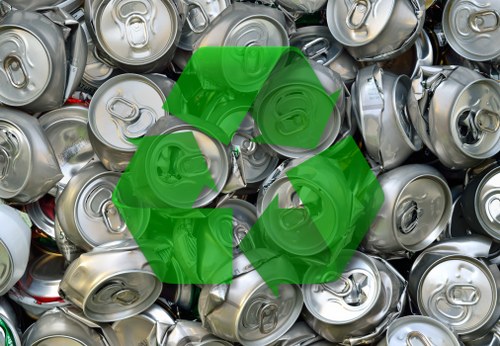
The final part of a commercial waste job is not just removal, but deciding how the material should be dealt with once it leaves the site. Different items may need different routes depending on their condition and type, and businesses often want a practical balance between efficiency and responsible handling. Our service is built around that process, so the collection is only one stage in moving the waste on. If you want to understand broader handling principles, our recycling and sustainability page explains the general approach we use for materials that can be separated.
For businesses with repeated waste needs, it can be helpful to think about the categories that recur most often. Cardboard, mixed packaging, office furniture and appliance-related items may appear again and again, even if the exact volume changes. Having a clearer sense of those patterns can make future quotations easier to arrange and may reduce the time spent repeating the same explanations each time the site changes.
Whether your next step is a one-off clearance or an ongoing arrangement, the most useful starting point is a short, accurate summary of the waste and the space it occupies. If you are ready, ask for a quotation and tell us what needs to go, where it is, and how you would like the collection arranged.