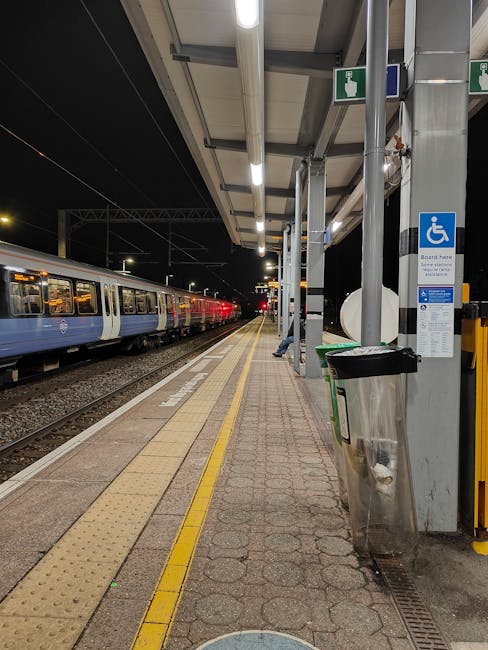
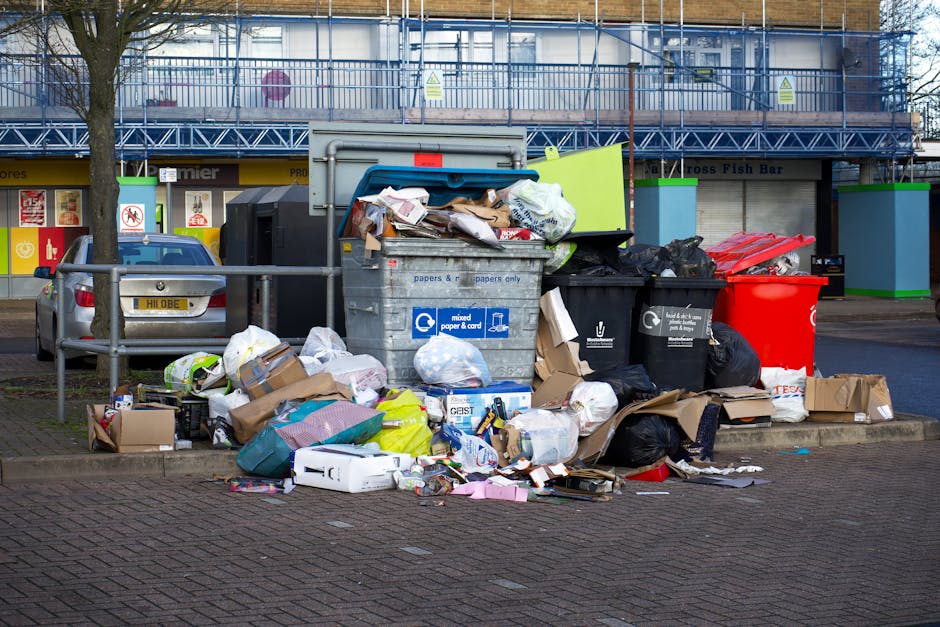
West Drayton station area rubbish pickup tips UB7
If you are dealing with bags, boxes, old furniture or a last-minute clear-out near West Drayton station, the job can feel oddly awkward. Traffic builds up, pavements narrow, bins fill quickly, and the wrong kind of waste can turn a simple pickup into a nuisance. These West Drayton station area rubbish pickup tips UB7 are designed to help you handle it cleanly, safely and without the usual faff.
Whether you are a resident, landlord, shop owner, office manager or someone clearing a flat between moves, the same basics apply: sort first, protect the route, avoid mixed waste where possible, and choose the right disposal method for the load. A little planning goes a long way here. Truth be told, most problems happen because people leave it until the last minute.
In this guide, we will walk through the practical side of rubbish pickup around the station area, what works well in a busy UB7 setting, what to avoid, and when a professional waste clearance service makes more sense than trying to wrestle everything to the kerb yourself.
Table of Contents
- Why West Drayton station area rubbish pickup tips UB7 Matters
- How West Drayton station area rubbish pickup tips UB7 Works
- Key Benefits and Practical Advantages
- Who This Is For and When It Makes Sense
- Step-by-Step Guidance
- Expert Tips for Better Results
- Common Mistakes to Avoid
- Tools, Resources and Recommendations
- Law, Compliance, Standards, or Best Practice
- Options, Methods, or Comparison Table
- Case Study or Real-World Example
- Practical Checklist
- Conclusion
- Frequently Asked Questions
Why West Drayton station area rubbish pickup tips UB7 Matters
The station area is not the place for guesswork. Around busy transport links, waste collection has to work with parked cars, pedestrian flows, shared access points and the general stop-start rhythm of the day. If rubbish is left in the wrong place or for too long, it can quickly become a mess, block access, attract vermin or create complaints from neighbours and nearby businesses.
That is especially true in mixed-use parts of UB7, where flats, small commercial units, terraces and side streets all sit close together. You might be clearing household rubbish from a top-floor flat one day and office clutter the next. The issue is not just volume. It is timing, presentation and the type of waste.
There is also a reputational side to it. For landlords, facilities managers and business owners, a tidy pickup process sends the right signal. For residents, it simply makes life easier. Nobody wants to drag a mattress through a communal hallway at the wrong hour or leave a broken chair outside for a day and hope for the best. Let's face it, that rarely ends well.
In our experience, the best results come from treating rubbish pickup as a small project rather than a spontaneous chore. A project with a plan. Slightly dull, yes, but far less stressful.
How West Drayton station area rubbish pickup tips UB7 Works
Good rubbish pickup starts before anything reaches the pavement. You first identify what you have, then separate it by type, then decide how it should be removed. That sounds obvious, but it is where many people slip up. Mixed loads can complicate disposal, and loose items create more handling problems than they need to.
For a typical pickup near the station area, the process often looks like this:
- Sort the waste at source. Group general rubbish, bulky items, recyclable materials, and anything hazardous or specialist.
- Check access and timing. Make sure the route from the property to the pickup point is clear, and avoid peak times if possible.
- Contain loose items. Use sacks, boxes or tie-up bundles so nothing spills during movement.
- Separate reusable items. If something can be donated, reused or sold, it should not go straight into waste by default.
- Use the right pickup method. Small domestic loads, bulky furniture, garden waste and building debris each need different handling.
A simple example: if you are clearing a one-bedroom flat above a shop, you may be dealing with bags of general waste, an old wardrobe, a broken microwave and a few sacks of paperwork. Those items should not all be treated in the same way. The paperwork might need confidential shredding, the microwave may need appliance removal, and the wardrobe could belong in furniture disposal rather than a general rubbish pile.
This is where professional waste removal can save time and reduce risk. If you are planning a more structured clearance, it can help to look at services such as waste removal, furniture disposal and fridge and appliance removal when the load includes awkward or specialist items.
Key Benefits and Practical Advantages
Good pickup habits do more than keep a street tidy. They reduce stress, save labour, and make the entire clear-out feel more manageable. And yes, that matters when you are already juggling work, tenants, or a move.
- Cleaner access: proper placement prevents blocked pavements, doorways and shared entrances.
- Fewer delays: when items are sorted and ready, pickup is faster and less disruptive.
- Lower contamination risk: keeping recyclables, reusable items and general waste separate improves handling.
- Safer lifting: smaller, prepared loads reduce the chance of accidents and strained backs.
- Better neighbour relations: tidy presentation matters in close-knit station-area streets.
- More predictable costs: when a load is clear from the start, quoting and planning are simpler.
There is also a subtle but real advantage to doing it properly the first time: you avoid the second trip. That second trip is the annoying one. The one where you realise the item you left behind is heavier than you remembered, or it won't fit through the hallway, or it is suddenly raining. A classic British plot twist.
Who This Is For and When It Makes Sense
This kind of rubbish pickup approach is useful for anyone dealing with waste near West Drayton station, but a few groups tend to need it most.
Residents and tenants
If you are moving out, doing a deep clean or clearing items from a flat or terraced home, the station area can be a tricky place to move bulky waste through. Shared entrances and limited parking make planning essential. A service like flat clearance is often a sensible fit for this kind of job.
Landlords and letting agents
End-of-tenancy clear-outs often expose everything at once: old furniture, bags of rubbish, leftover food waste, broken hangers, and the odd mysterious item nobody claims. A more organised clearance keeps void periods shorter and makes the property presentable again.
Shop owners and office teams
Businesses near a station area often generate packaging, broken fixtures, outdated displays or office clutter. For that, business waste removal or office clearance may be the better route than leaving mixed waste in a back yard and hoping it disappears.
Homeowners tackling one-off projects
From garage clear-outs to loft jobs, a house can hide more rubbish than you expect. One cupboard becomes three bags; three bags become a van-load. That is just how these things go. For those bigger jobs, garage clearance, loft clearance and home clearance are useful options to consider.
Step-by-Step Guidance
If you want the process to feel calm rather than chaotic, use this sequence.
- Walk the site first. Check door widths, stair turns, communal entrances and the route to the pickup point. A small obstruction can become a big issue when you are carrying bulky waste.
- Make three piles. Keep general rubbish, reusable items and special waste separate. Even a rough split helps.
- Bag and bundle properly. Do not leave loose debris, sharp edges or half-open sacks. Rain, wind and torn plastic are a bad trio.
- Move heavy items last. Clear the smaller stuff first so you have space for the awkward items at the end.
- Protect floors and walls. Cardboard, moving blankets or even simple coverings can prevent scuffs in hallways and stairwells.
- Keep hazardous items apart. Paint, chemicals, asbestos-containing materials and certain electrical items need special handling. If in doubt, separate them immediately.
- Confirm the handover. Before the pickup leaves, do one final check. Half the time, the missed item is the one tucked behind a door or under a tarp.
A small but useful trick: write on boxes or sacks with a thick marker. "Recycle", "Donate", "General", "Shred". It saves time, and it stops people guessing later. Not glamorous, but effective.
Expert Tips for Better Results
Here are the details that often make the difference between a smooth pickup and a messy one.
Time the pickup around traffic and footfall
Near a station, early morning or late afternoon can be awkward if commuters are coming and going. If you have flexibility, choose a calmer window. It is one of those unglamorous decisions that pays off immediately.
Keep a "do not mix" list
Some items should never be tossed together casually. Food waste, cardboard, electricals, glass, confidential paperwork and hazardous materials may each require different treatment. Mixing them can create sorting delays, contamination or disposal problems.
Think about the final destination before you start
If you know an old sofa is going, a fridge is being removed and the rest is general rubbish, you can plan for those separately rather than letting them become one tangled mound. Services like mattress and sofa disposal and furniture clearance are especially helpful where bulky items dominate the load.
Use the right containers
Heavy-duty rubble sacks, lidded bins, cable ties and stackable boxes are often enough for smaller jobs. For larger projects, you may need a more structured approach. If you are weighing up disposal methods, the page on what can go in a skip is a useful reference point for general planning.
Leave a buffer for surprise items
There is nearly always one. A second chair, a bag in the corner, a broken lamp nobody mentioned, or that one drawer full of cables and old chargers. Build in time for it. You will thank yourself later.
Common Mistakes to Avoid
Most rubbish pickup problems are preventable. The common mistakes are straightforward, but they keep happening because people are rushed.
- Leaving waste out too early. It can create clutter, complaints and safety issues.
- Ignoring item categories. Mixed waste is harder to handle and can limit disposal options.
- Underestimating bulky items. A "small" wardrobe can be awkward on stairs and around corners.
- Forgetting hazardous materials. This is the one to take seriously.
- Blocking shared areas. In flats and mixed buildings, this causes friction fast.
- Not checking access. A van may not be able to stop where you expected.
- Assuming everything can go together. It usually cannot, or not cleanly anyway.
A very common one near station areas is simply overpacking bags. They split, drag or tip over. Then everything becomes more of a scene than it needed to be. Keep the weight realistic. That's the boring answer, but it works.
Tools, Resources and Recommendations
You do not need fancy equipment to manage rubbish pickup well, just the right basics.
- Rubble sacks and bin bags: for general rubbish and lightweight mixed waste.
- Labels and markers: useful for sorting and separating loads.
- Gloves and safety footwear: especially if you are handling sharp or heavy items.
- Dust sheets or cardboard: to protect communal floors and hallways.
- Trolley or sack truck: a lifesaver for heavier items, if access allows.
- Recycling containers: handy for pre-sorting cardboard, metal and other suitable materials.
If you are dealing with business waste, paperwork, or anything sensitive, confidential shredding is a sensible safeguard. For home and furniture-heavy clearances, you may also want to review house clearance and furniture clearance options to see which fits the job best.
If you want to understand how the company handles responsibility, it is worth reading about recycling and sustainability, plus the practical assurances on insurance and safety. Those pages help you judge whether the service is set up properly, not just casually operating.
Law, Compliance, Standards, or Best Practice
Waste removal in the UK is not something to treat casually. Even when the job is small, you should still think about proper handling, safe loading and the correct destination for different waste types. For business waste in particular, you have a duty to be careful about how materials are stored, transferred and passed to a carrier.
At a practical level, the best practice is simple: keep waste secure, do not leave it where it can become a hazard, and make sure specialist items are separated. If you are dealing with anything potentially dangerous, such as chemicals, aerosols, contaminated materials or damaged appliances, the safest move is to treat it as a specialist category rather than guessing.
That caution matters in shared buildings too. Hallways, landings and service entrances are common pinch points. A tidy disposal plan reduces the risk of trips, blocked exits and avoidable complaints. For jobs involving construction debris, it is often better to look at a dedicated service such as builders waste clearance rather than mixing rubble with domestic rubbish.
In short, best practice is not complicated. It is mostly about care, segregation and timing. And, to be fair, those three things solve a surprising amount.
Options, Methods, or Comparison Table
When planning rubbish pickup near West Drayton station, you usually have a few routes available. The right one depends on the load, the urgency and how much lifting you want to do yourself.
| Method | Best for | Pros | Things to watch |
|---|---|---|---|
| Self-managed rubbish pickup | Small household bags, light clear-outs | Cheapest on the surface, flexible | Time-consuming, more lifting, disposal rules can be tricky |
| Bulky item clearance | Sofas, wardrobes, mattresses, appliances | Easier for heavy items, less strain | Needs correct item separation and access planning |
| Full property clearance | Flats, houses, offices, end-of-tenancy jobs | Best for larger mixed loads | Requires proper planning and a clear scope |
| Skip-based approach | Ongoing renovation or sizeable mixed waste | Good for longer projects | Needs space and good understanding of what can go in |
For many station-area jobs, a targeted clearance is more practical than trying to force everything into one generic waste pile. If the job includes a loft full of old items, a garage stack or a tired living room set-up, the more specific services often make the process smoother.
Case Study or Real-World Example
Here is a realistic example. A small landlord in UB7 needed to clear a one-bedroom flat near the station after a tenant moved out. The flat contained two bin bags of general rubbish, a damaged wardrobe, a mattress, a broken small appliance and several boxes of mixed household items. Nothing outrageous. But it was all sitting in the wrong places: a bedroom corner, the hallway and part of the communal stair landing.
The first step was sorting. Food waste and loose rubbish went into sacks. The wardrobe was separated as furniture. The mattress was kept apart, because it needed special handling. The appliance was removed as an electrical item rather than lumped in with the rest. Paperwork was checked for anything confidential before disposal. The whole job became much easier once the waste types were split early.
What made the difference was not brute force. It was order. By the time the pickup arrived, the route was clear, the load was grouped sensibly, and the shared space was not blocked for long. The landlord got the flat ready for cleaning sooner, and the neighbours did not have to step around a mess all afternoon. Small win, but a proper one.
Practical Checklist
Use this before your rubbish pickup near West Drayton station.
- Identify every item you want removed.
- Separate general waste from bulky furniture and special items.
- Check whether any items need appliance, confidential or hazardous handling.
- Bag loose rubbish securely.
- Label boxes or sacks if there are different waste streams.
- Clear the access route through the property.
- Protect floors, corners and communal areas.
- Plan the pickup time to avoid peak congestion where possible.
- Confirm parking or stopping arrangements in advance.
- Do a final walkthrough before the collection leaves.
Expert summary: the smoothest rubbish pickups are rarely the fastest to plan, but they are almost always the fastest to finish. Organisation saves time. Every time.
Conclusion
West Drayton station area rubbish pickup tips UB7 are really about making a busy local job feel straightforward. Sort early, keep access clear, separate special items, and avoid treating every type of waste as if it belongs in the same pile. That mindset alone can prevent most of the frustration people run into.
If your load is small, a careful self-managed pickup may be enough. If it is bulky, mixed or time-sensitive, a professional clearance can remove a lot of hassle and reduce the chance of mistakes. Either way, the best outcome is the same: a clean space, fewer interruptions, and no lingering pile of "we'll deal with that later".
Get a free quote today and see how much you can save.
And if you are at that stage where the clutter is staring back at you from the corner of the room, take it as a sign to start. One bag at a time. That is often all it takes.
Frequently Asked Questions
What is the best way to handle rubbish pickup near West Drayton station?
The best approach is to sort waste before pickup, keep access routes clear and separate bulky or specialist items from general rubbish. In a station area, timing matters too.
Can I leave rubbish outside for collection in UB7?
Only if it is allowed and only for a short, sensible period. Leaving waste out too early can cause obstruction, complaints or mess. It is better to time it carefully.
How do I deal with bulky items like sofas or wardrobes?
Bulky items are best handled separately so they can be removed safely and efficiently. Services such as furniture clearance or mattress and sofa disposal are often the practical choice.
What should I do with old appliances?
Appliances should be handled as electrical items rather than ordinary rubbish. Fridges, freezers and similar items need the right disposal route, so keep them apart from general waste.
Is it worth booking a full property clearance instead of doing it myself?
If the load is mixed, heavy or time-sensitive, yes, it often is. A full clearance can save a lot of effort and reduce the chance of missed items or access problems.
What waste should never be mixed with general rubbish?
Hazardous materials, confidential paperwork, certain electricals and contaminated items should not be mixed casually with household waste. Keep them separate and handled appropriately.
How can I make rubbish pickup faster?
Sort items in advance, label sacks or boxes, clear walkways and keep the load close to the pickup point. The less sorting needed on the day, the quicker it goes.
What is the safest way to move rubbish through communal areas?
Use secure bags or containers, protect floors where needed and avoid overloading. If the route is tight, move one load at a time rather than trying to rush everything.
Should I choose skip hire or a rubbish removal service?
It depends on the job. Skip hire suits longer projects and larger volumes, while rubbish removal is often better for quick clearances, bulky items or mixed loads.
How do I know if my waste needs specialist handling?
If it contains chemicals, sharp materials, appliances, electricals or anything potentially harmful, it is safer to treat it as specialist waste. When in doubt, separate it first.
Can business waste be handled the same way as household rubbish?
Not always. Business waste often includes packaging, documents, fixtures or mixed materials that benefit from a more structured disposal plan. Business waste removal is usually the better fit.
What is the simplest first step if my home feels overloaded?
Start with one category: bags, furniture, paper, or appliances. A focused first pass makes the whole job feel more manageable. Small start, big difference.