Bulky rubbish collection near Heathrow from Yiewsley teams
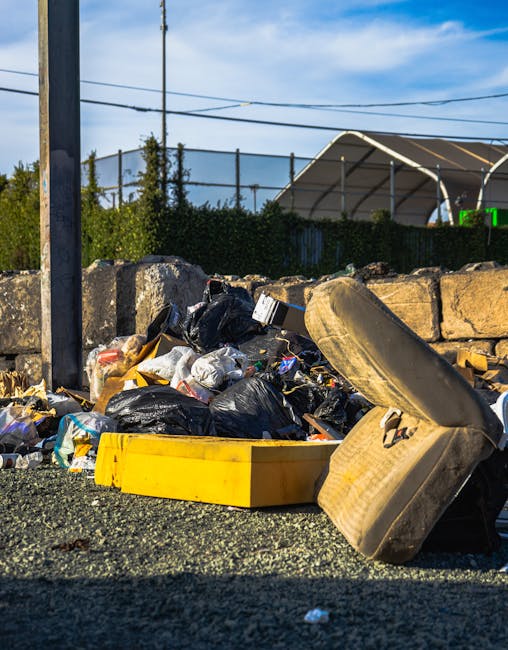
If you are dealing with an awkward sofa, a broken wardrobe, a mattress that has seen better days, or a pile of mixed household clutter that simply will not fit in the car, bulky rubbish collection near Heathrow from Yiewsley teams can be the tidy way out. It is a straightforward idea, but the value is bigger than most people expect: less hassle, less lifting, less risk of damage, and a lot less staring at the same mess for another week.
This guide explains how bulky item collection works, who it suits, what to ask before you book, and how to avoid the common mistakes that turn a simple clearance into an annoying afternoon. If you are trying to clear space fast without cutting corners, you are in the right place.
Why bulky rubbish collection near Heathrow from Yiewsley teams matters
Heathrow is busy, Yiewsley is busy, and the roads in between can be unforgiving when you are trying to move large waste items yourself. Bulky rubbish is not like a handful of bin bags. It is often awkward, heavy, dirty, and inconveniently shaped. That means the real problem is not just disposal; it is handling, loading, transporting, and getting rid of items properly without causing a scene in the driveway or a sore back the next day.
Local teams based in Yiewsley tend to understand the pace of the area. They are used to tight windows, short-notice jobs, access issues, shared entrances, and the practical realities that come with homes, flats, garages, shops, and offices near Heathrow. To be fair, that local awareness often matters as much as the lifting itself.
There is also a trust element. Bulky items can hide surprises: sharp edges, broken springs, damp materials, or mixed waste that needs sorting. A good clearance team should handle that calmly and safely, rather than turning up and making things more complicated. If you want a broader view of how waste is handled across different job types, the main waste removal service page is a useful place to start.
Expert summary: The best bulky collection is the one that feels uneventful. The team arrives, assesses the load, lifts carefully, clears the space, and leaves you with nothing to chase up afterwards. No drama. No mess left behind. That is what people really want.
How bulky rubbish collection near Heathrow from Yiewsley teams works
Most collections follow a simple pattern, although the details depend on what you are disposing of and how much there is. In practice, a good service should feel organised from the first call or booking request right through to the final sweep-up.
The process usually begins with describing what needs removing. Photos help a lot. A tidy set of pictures from different angles gives the team a better idea of volume, access, and whether any items need special handling. If you are unsure how the job will be priced, the dedicated pricing and quotes information can help you understand what to ask before you commit.
After that, the team will usually confirm the load, timing, and any access details. Think stairwells, narrow halls, lift restrictions, parking, gate codes, or loading bay arrangements. Small things, yes. But those small things can decide whether a collection is smooth or a bit of a faff.
On collection day, the team should arrive prepared to assess the load, protect the property where needed, and remove items without unnecessary disruption. Some bulky waste can be taken directly, while other items may need to be separated. Furniture, white goods, mattresses, garden debris, and builders-style offcuts each come with their own handling considerations.
If your bulky items are part of a bigger clear-out, it may be worth looking at related services such as furniture clearance, mattress and sofa disposal, or even fridge and appliance removal. That helps keep the job aligned with the actual waste type rather than forcing everything into one messy pile.
Once loaded, responsible teams sort items for reuse, recycling, or disposal where appropriate. If you care about the environmental side, and many people do, the company's recycling and sustainability approach is worth checking.
Key benefits and practical advantages
The obvious benefit is convenience. You do not have to hire a van, recruit a friend, or spend half a Saturday wrestling a wardrobe through the front door. But there are several other benefits that matter just as much.
- Less physical strain: bulky lifting is where backs get tweaked and fingers get trapped. A trained team reduces that risk.
- Better time savings: what might take you most of a day can often be handled in a much shorter slot.
- Cleaner outcomes: professional removal usually means less damage to walls, staircases, floors, and door frames.
- More reliable disposal: items are handled through proper channels rather than dumped in a panic at the last minute.
- Good for mixed loads: one collection can deal with furniture, general bulky waste, and some appliance items, depending on the load.
There is another benefit people do not always mention: headspace. A cluttered room can quietly wear you down. You keep walking around the same sofa base, the same old chest of drawers, the same pile in the corner. Once it is gone, the room feels bigger straight away. You can hear the difference, oddly enough. Less echo. Less visual noise.
For business premises, bulky collection can also protect your image. A crowded stockroom, old office desks, or broken equipment sitting around near Heathrow is not ideal when staff and visitors are moving through. If your job relates to commercial premises, the business waste removal page gives a sense of the wider options available.
Who this is for and when it makes sense
This service is a fit for a lot of people, not just those dealing with a full house clearance. In fact, bulky rubbish collection near Heathrow from Yiewsley teams often makes the most sense for smaller, more specific problems where the items are too awkward for ordinary bin collections.
- Homeowners replacing worn-out furniture, clearing spare rooms, or dealing with post-renovation clutter.
- Tenants who need to leave a property tidy without leaving a trail of old items behind.
- Landlords preparing a property for new occupants after bulky furniture or household waste has been left behind.
- Flat residents with shared access, narrow staircases, or limited storage space.
- Office managers clearing desks, chairs, filing units, and redundant equipment.
- Tradespeople needing fast removal of leftover non-hazardous materials after a job.
It also makes sense when timing matters. Maybe you have visitors coming. Maybe you are waiting for a delivery. Maybe the hallway just needs to be clear again because everybody is fed up with sidestepping a cracked wardrobe panel. Let's face it, sometimes the tipping point is not dramatic. It is just that you are done looking at it.
If your clear-out is larger and more mixed, you may also find related services helpful, such as home clearance, house clearance, or flat clearance. Those pages are especially relevant when bulky waste is only one part of a wider clearance.
Step-by-step guidance
If you want the cleanest possible experience, a little preparation goes a long way. Here is the practical version, without fluff.
- List the items clearly. Write down what is going, including anything unusually large, heavy, fragile, or awkwardly shaped.
- Take a few photos. Wide shots help estimate the volume; close shots show the condition and any handling concerns.
- Check access. Measure doorways if needed, note stairs, lifts, or parking constraints, and mention anything that could slow the team down.
- Separate special items. Keep appliances, confidential paper waste, or hazardous items apart if they need different handling.
- Confirm the quote basis. Ask whether the price depends on volume, item type, labour, access, or extra handling.
- Prepare the area. Move smaller obstacles out of the way and clear a path to the exit. Even a narrow, straight route helps.
- Be ready on the day. If someone needs to provide access or answer questions, make sure they are available.
- Check the finished area. Do a quick walk-through once the collection is complete. It takes a minute and can prevent small issues being missed.
A quick example: if you are removing a sofa, two armchairs, and a damaged coffee table from a first-floor flat, the difference between a smooth job and a sweaty one often comes down to access. A clear stairwell, a parking space nearby, and accurate photos usually make everything easier. Tiny details, huge difference.
For larger mixed loads, it can help to compare the type of work you need against pages like garage clearance or loft clearance. The point is not to overcomplicate things. It is to match the service to the job.
Expert tips for better results
After enough collections, a few habits stand out. They are simple, but they save time and avoid frustration.
- Photograph the load in daylight. Natural light makes item sizes and condition easier to judge.
- Be honest about access. A narrow staircase, low ceiling, or tight parking spot is not a problem if the team knows beforehand.
- Group items by type. Furniture together, appliances together, general waste together. It makes the collection more efficient.
- Keep anything uncertain separate. If you think an item might be hazardous or require special handling, flag it early.
- Ask what happens next. A trustworthy provider should be able to explain whether items are reused, recycled, or disposed of appropriately.
One small but useful tip: if you are clearing a room, start with the item that is hardest to move. Everything feels easier once that one is gone. Strange how often that works.
And if the job includes appliances or heavy white goods, check the relevant appliance removal guidance first. For instance, fridge and appliance removal is more suitable than treating the item like ordinary bulky waste. That distinction matters more than people think.
Common mistakes to avoid
Most problems with bulky rubbish collection are not dramatic disasters. They are small, avoidable errors that create delays, extra cost, or confusion.
- Underestimating volume. A "few bits" can become a van-full very quickly.
- Not mentioning stairs or access issues. Teams need the real picture, not the optimistic one.
- Mixing ordinary bulky waste with restricted items. Hazardous materials and certain electrical or chemical items may need separate handling.
- Leaving the sort-out until the team arrives. That can slow everything down and make the job less efficient.
- Assuming every item can be handled the same way. A mattress, a sofa, and a broken mirror may all look like clutter, but they are not identical in practice.
- Choosing purely on the cheapest quote. Cheap can be fine, but only if the scope, access, and disposal approach are clear.
Truth be told, the biggest mistake is silence. If there is something unusual, say so. A good team would rather know in advance than discover a surprise at the doorstep.
If you are unsure whether your items fit a skip or a direct collection, the what can go in a skip guide is useful context, even if you are not planning to hire a skip. It helps you think about item type and disposal limits in a practical way.
Tools, resources and recommendations
You do not need specialist equipment yourself, but a few practical tools make the process smoother.
- Phone camera: for clear photos of the load and access points.
- Measuring tape: handy for doorways, hallways, and large furniture pieces.
- Labels or tape: useful if you are separating items that must stay, go, or be checked first.
- Basic gloves: helpful if you are moving lightweight items to clear a route, though do not try to do heavy lifting alone.
- Notepad or notes app: to list item counts and special instructions.
On the service side, the most useful resources are the ones that answer practical questions before the job starts. The about us page is good for understanding the company's approach, while insurance and safety and health and safety policy are sensible reads if you want reassurance about how work is carried out.
For customers handling sensitive material alongside bulky waste, confidential shredding can be relevant. And if your clear-out includes items from a garden shed, patio, or outdoor storage, garden clearance may be the more accurate match.
Law, compliance, standards, and best practice
When waste is collected, compliance matters. You do not need to become an expert in waste law to book a collection, but you should expect the provider to handle items responsibly and in line with UK requirements and normal industry practice.
In plain English, that means the waste should be collected, transported, and transferred properly, with attention to safe handling and legitimate disposal routes. Businesses, landlords, and anyone generating waste from trade or commercial activity should be particularly careful about duty of care, record keeping, and making sure the provider is suitable for the job. If you are running a company near Heathrow, the dedicated business waste removal service information is worth reviewing alongside the main clearance pages.
Best practice also means separating obvious risk items before collection. Fridges, chemicals, fluorescent tubes, paints, asbestos-like materials, and similar items should not be casually mixed into general bulky waste. If you think something may be hazardous, use the specialist hazardous waste disposal information rather than guessing. Guessing is never the move here.
You should also expect clear terms, fair communication, and transparent handling of payments. That is where the company's terms and conditions and payment and security pages become useful. They show that the provider is thinking about the customer experience as well as the collection itself.
For sustainability-minded customers, responsible recycling is not just a nice extra. It is part of good practice. Reuse where possible, recycle where appropriate, and dispose of the rest properly. Simple, but important.
Options, methods, and comparison
There are several ways to deal with bulky rubbish, and the right choice depends on volume, access, urgency, and item type. Here is a practical comparison.
| Method | Best for | Pros | Watch-outs |
|---|---|---|---|
| Bulky rubbish collection | Single items or mixed bulky loads | Convenient, quick, often suited to awkward access | Needs clear item descriptions and access details |
| Skip hire | Ongoing project waste or larger self-managed clearances | Good if you are loading gradually | Space, permits, and item restrictions can be issues |
| Self-transport | Very small volumes and those with a suitable vehicle | Can work for tiny jobs | Manual lifting, time, fuel, disposal arrangements, and risk of damage |
| Full property clearance | Homes, flats, and premises with multiple rooms of items | Efficient for larger clear-outs | May be more service than you need if the job is small |
If you are on the fence, ask a simple question: do I need someone to take away a few big awkward items, or do I need a wider clearance of several areas? That one question tends to point you in the right direction. No need to overthink it.
Related services such as garage clearance and office clearance can help you compare the scale of the job more accurately.
Case study or real-world example
Here is a realistic scenario. A household near Heathrow has a first-floor spare room filled with an old sofa bed, two broken bedside cabinets, a mattress, a small fridge, and several bags of mixed clutter. The room has been doing that thing where every item seems to multiply overnight. Not ideal.
The owners take clear photos in daylight, note that the staircase turns sharply at the landing, and mention that parking is available briefly outside. They also flag the fridge separately, since it may require different handling from the furniture. The team arrives with the right equipment, checks access first, and clears the items in one visit. The room is left empty, the path is tidied, and the owners can finally use the space again without stepping around the same pile of things for another month.
The useful part of the example is not the items themselves. It is the preparation. Accurate description, honest access notes, and separating the appliance from the furniture made the day easier for everyone. That is often the whole game.
If the items had come from a wider property move or end-of-tenancy situation, the team could also have looked at house clearance or flat clearance as the better fit. Choosing the right service saves time and avoids awkward surprises.
Practical checklist
Use this before you book or on the morning of the collection. It keeps things simple.
- List every bulky item you want removed.
- Take photos from several angles.
- Measure any awkward furniture if access is tight.
- Tell the team about stairs, lifts, parking, or narrow entrances.
- Separate any hazardous or uncertain items.
- Keep documents, valuables, and personal items well away from the clearance area.
- Make sure someone is available to answer questions on arrival.
- Confirm what the price includes before booking.
- Ask how the items will be handled after collection.
- Do a final check of the room, driveway, or loading point once the job is done.
It sounds basic, because it is. But basic done well is usually what makes the difference between a calm clearance and a stressful one.
Get a free quote today and see how much you can save.
Conclusion
Bulky rubbish collection near Heathrow from Yiewsley teams is about more than taking away a few large items. It is about making the job easier, safer, and more manageable from start to finish. When the collection is planned properly, the space clears quickly, the process feels straightforward, and you do not end up with half-finished waste sitting around for another week.
If you are weighing up options, focus on three things: clear communication, suitable handling of each item type, and a provider that treats access, safety, and disposal properly. That combination is usually what separates a decent service from a genuinely helpful one. And once the clutter is gone, the room has a way of feeling lighter. Almost like it can breathe again.
For a company overview, you can also review about us, or if you are ready to arrange the next step, use the site's book online option.
Frequently Asked Questions
What counts as bulky rubbish?
Bulky rubbish usually means large, heavy, or awkward household or commercial items that do not fit normal bin collection. Think sofas, wardrobes, mattresses, desks, chairs, appliances, and similar loads.
Is bulky rubbish collection better than hiring a skip?
It depends on the job. Collection is often better for single loads, awkward items, or properties with limited space. A skip can suit longer projects where you are loading waste yourself over time.
Can I include old furniture with other waste?
Often yes, if the items are suitable for the same collection and not restricted. It is best to list everything clearly so the team can confirm what can go together.
Do I need to be home for the collection?
Usually someone should be available to give access or answer questions, especially if the items are inside the property or the route out is not obvious. For simple outdoor collections, arrangements may be more flexible.
How should I prepare bulky items before pickup?
Clear a route, separate items by type, and take photos in advance. If an item is fragile, heavy, or oddly shaped, mention that beforehand. A little preparation makes a surprising difference.
What if my item is too heavy to move safely?
Do not force it. That is exactly when professional collection is useful. Heavy lifting without the right technique or help can cause injury or damage very quickly.
Can fridges and appliances go with bulky waste?
Sometimes, but appliances may need separate handling depending on the item and the service. For example, fridge and white-goods removal is best checked before collection rather than assumed.
What happens to the items after collection?
That depends on the condition and type of item. Where possible, items may be reused or recycled. Anything that cannot be recovered should be disposed of properly through the appropriate route.
How do I know whether I need a full clearance or just bulky item collection?
If you only have a few large items, collection is often enough. If multiple rooms, outbuildings, or mixed waste are involved, a broader clearance may be the better fit. The scale of the mess usually tells you, honestly.
Is bulky rubbish collection suitable for businesses near Heathrow?
Yes. Offices, shops, landlords, and trade premises often use it for desks, seating, filing units, packaging waste, and other large items. For more regular needs, business-focused waste removal may be more suitable.
How can I keep the price under control?
Give a clear description, share photos, mention access constraints early, and separate special items. Transparent information helps avoid surprises, which is usually what keeps the cost sensible.
What should I check before booking?
Check what is included, whether the provider can handle your item types, how access will work, and whether the company explains its disposal and safety approach clearly. If that all sounds vague, pause and ask more questions.
Where can I find more information about the company and policies?
Useful pages include about us, health and safety policy, insurance and safety, and recycling and sustainability. They help set expectations before you book.